Full vs Partial Dentures: What’s Right for You on the Sunshine Coast?
Losing teeth often brings a mix of uncertainty and hesitation. You notice everyday habits shifting, like the way you eat or how you smile, and you start wondering what the next step should be. It’s around this point that many people start searching for dentures on the Sunshine Coast online, trying to understand what might help them feel comfortable and confident again.
Dentures remain one of the most reliable ways to restore comfort, function and a natural appearance, yet the choice between
full and
partial designs can feel less straightforward. The right option depends on your oral health, the number of teeth missing and how you want your mouth to function long-term. When you understand how each type works, the path towards a more confident and comfortable future becomes much clearer.
When Everyday Moments Start To Feel Harder
Changes caused by missing teeth tend to appear gradually. Chewing becomes less predictable, or you catch yourself avoiding certain foods. You may notice your speech shifting or feel less inclined to smile. These small adjustments often signal that it’s time to explore a supportive option like dentures. Both full and partial dentures are designed to restore routine and comfort, giving structure back to your bite and helping you feel more at ease.
Here are some common signs people experience before considering dentures:
- Reduced chewing ability making meals less enjoyable
- Speech changes caused by gaps
- A growing awareness of how missing teeth affect appearance
- Discomfort from relying too heavily on remaining natural teeth
How Full Dentures Reshape A Mouth With No Healthy Teeth Remaining
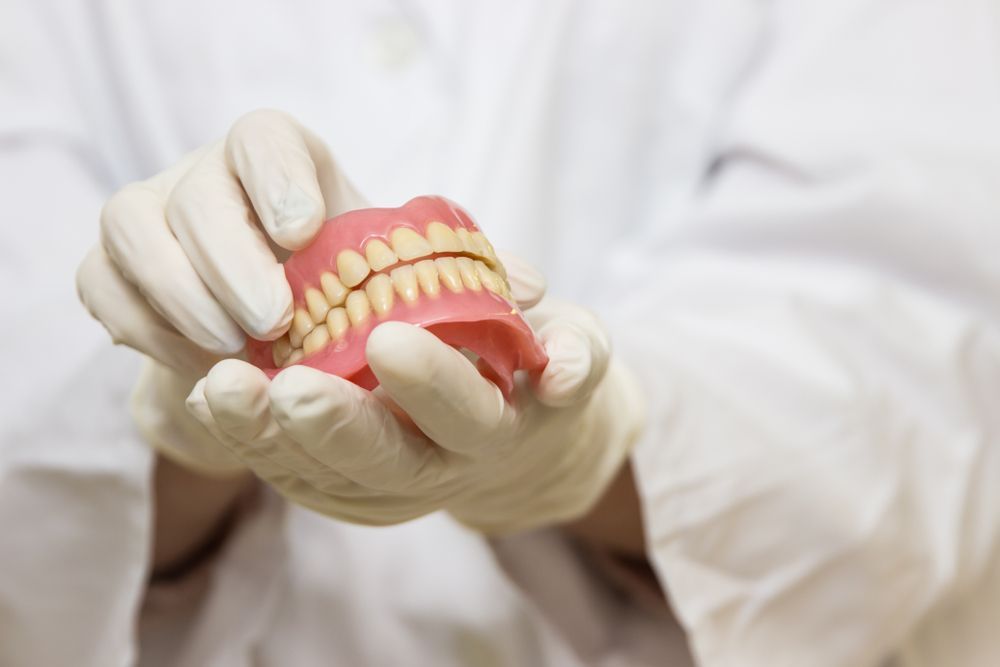
Full dentures replace an entire upper or lower arch when natural teeth can no longer support comfortable function. They help create a fresh foundation for eating and speaking, especially for people who have been managing long-term dental challenges. A prosthetist carefully measures the mouth to craft a denture that feels balanced and natural. The result is an appliance shaped to the contours of your gums, restoring volume and creating a smooth, confident smile.
Benefits often experienced with full dentures include:
- Complete replacement of a full arch for balanced support
- Improved facial shape through restored structure
- Relief from ongoing discomfort caused by deteriorating teeth
- A consistent, natural-looking smile across the whole arch
Why Partial Dentures Protect The Teeth You Still Have
Partial dentures act as both a replacement and a support system. They fill the spaces left by missing teeth while resting securely against the remaining ones. Instead of placing strain on the natural teeth, they share the workload, helping keep everything aligned. This option suits people with several healthy teeth who want a functional, stable solution that integrates smoothly with their natural bite.
People often choose partial dentures because they:
- Maintain the position of remaining teeth
- Reduce pressure placed on natural teeth
- Offer a stable & economical alternative to full replacement
- Provide a natural look while preserving existing structure
What A Prosthetist Evaluates Before Recommending Your Denture Type
A prosthetist’s assessment is a detailed, personalised process. It looks far beyond simply counting missing teeth. The gums, bone structure and condition of any remaining teeth all influence which denture style will be most comfortable and long-lasting. Many patients find this step reassuring because it turns guesswork into clear, tailored guidance based on what their mouth needs.
The assessment typically considers:
- Gum health & firmness
- The stability & spacing of existing teeth
- The shape & volume of the supporting bone ridge
- How the jaw moves while speaking & chewing
Comfort, Bite Alignment & Long-Term Ease Of Wear Guide The Decision
Comfort is one of the strongest indicators of which denture type will work best. A prosthetist looks at how your upper and lower jaws meet, how your muscles move and whether a partial appliance would remain stable. Some people feel an immediate improvement once they try a well-fitted denture, especially if they have been coping with discomfort for years. The aim is simple – a solution that feels natural, secure and supportive during everyday use.
Key comfort considerations include:
- A stable fit while eating & speaking
- Bite alignment with the opposing arch
- Smooth daily wear without irritation
- Long-term reliability & reduced movement
The Way Dentures Restore Natural-Looking Facial Support
Missing teeth don’t just affect your smile – they subtly alter the shape of your face. Dentures help restore the natural contours that support the lips and cheeks, creating a balanced, familiar appearance. Many patients describe the experience as reconnecting with the version of themselves they remember, especially when they see their smile return with shape and confidence.
Appearance-related benefits often include:
- Better support for lips & cheeks
- A natural smile line that suits facial proportions
- Reduced hollowing that can occur with missing teeth
- Tooth shapes designed to complement individual features
Why Modern Materials & Craftsmanship Make Such A Difference
Today’s dentures are crafted using materials chosen for strength, comfort and natural appearance. A prosthetist selects options that reflect the needs of your bite and lifestyle. The process involves sculpting tooth shapes, smoothing surfaces and ensuring the fit feels secure. This level of detail helps reduce irritation and makes adapting to dentures much easier.
Material and design features that contribute to comfort include:
- Durable acrylics shaped for long-term strength
- Custom-selected tooth shapes to match your features
- Smooth surfaces that minimise rubbing
- Precision crafting to ensure an accurate, stable fit
Long-Term Oral Function Depends On Choosing The Right Type
The right denture supports more than just a smile – it helps restore balance to the way the entire mouth functions. When the appliance fits well and matches your needs, chewing becomes easier, speech feels clearer and gum strain is reduced. A prosthetist helps guide the decision with a long-term view, ensuring you have a solution that works reliably into the future.
A well-matched denture can support long-term function through:
- More efficient & comfortable chewing
- Clearer speech patterns
- Reduced gum strain & irritation
- Even pressure distribution across the mouth
We’re Here To Help You Take The Next Step
If you’re feeling unsure about whether a full or partial denture is right for you, we’re here to guide you with clear, supportive advice based on your needs. At this stage, the most helpful step is a personalised assessment, where the right option becomes much easier to understand.
We at
The Denture Care Group take the time to listen, explain your choices and help you feel more comfortable about the path ahead. If you’re ready to regain confidence in your smile,
reach out to book a consultation or speak with our friendly team on the Sunshine Coast. We understand the everyday challenges that come with missing teeth, especially for locals wanting comfort, function and long-term reliability.