Immediate Dentures: What They Are & Who They’re For
Facing tooth extraction brings questions about how you'll eat, speak and manage everyday activities while your gums heal. For patients concerned about spending time without teeth, there is an option worth discussing beforehand.
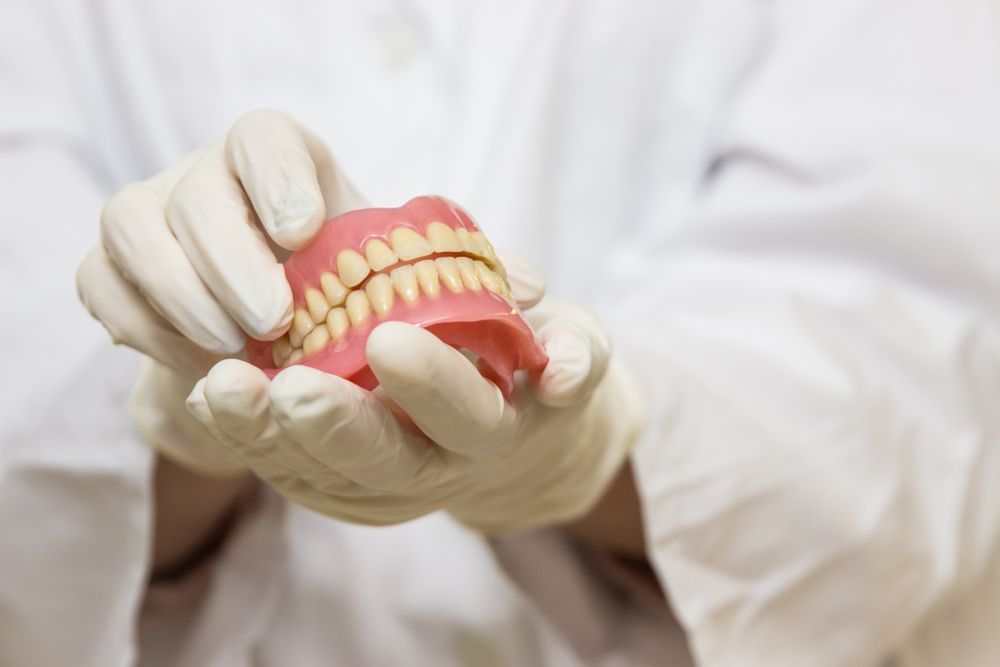
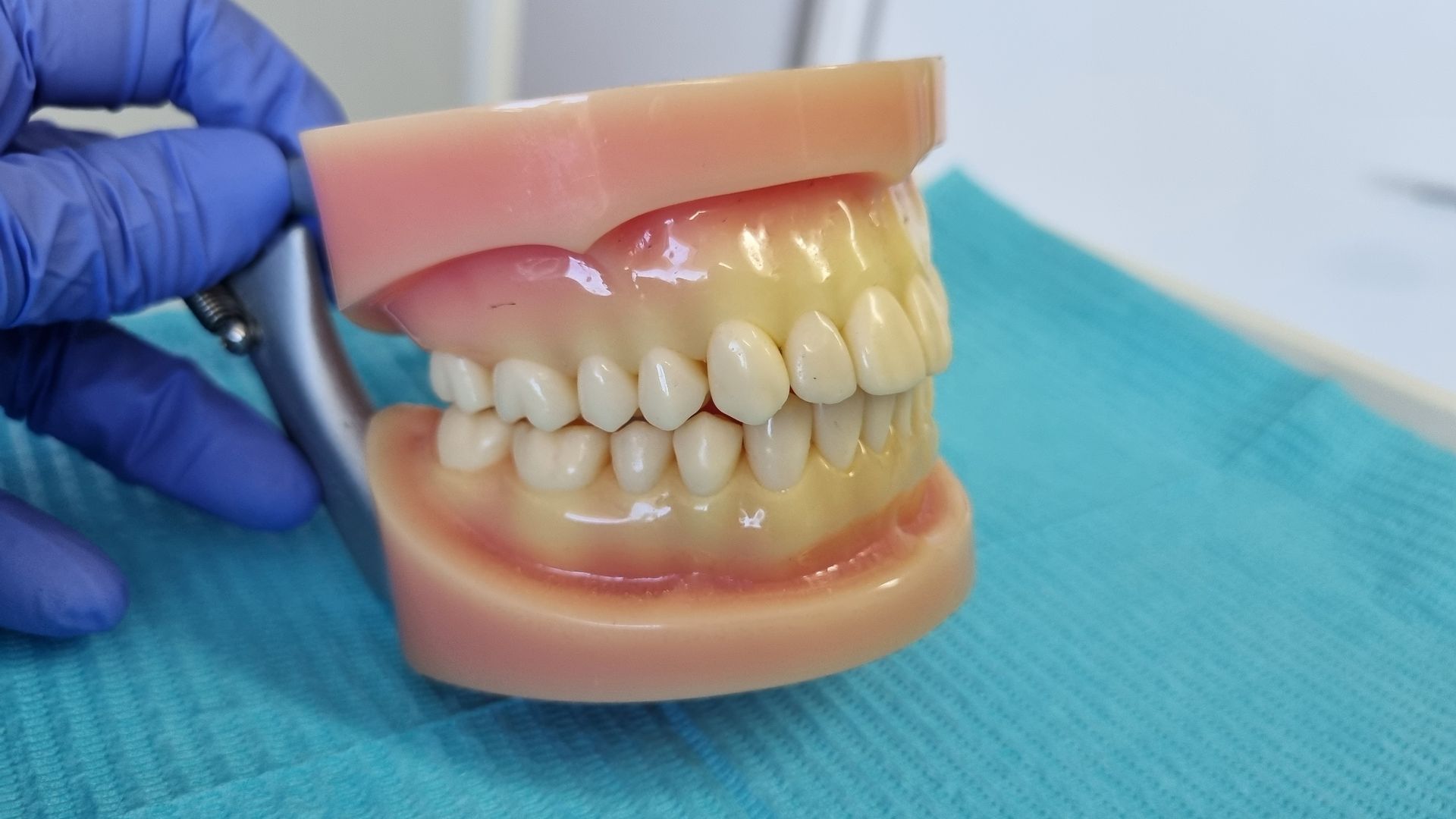
Immediate dentures are removable appliances prepared before tooth extraction and fitted on the same day the teeth are removed. They provide replacement teeth during healing, although adjustments are often necessary as the gums change.
Understanding how these appliances work, who they're suitable for and what happens during recovery can help patients and their families make informed decisions.
What Are Same-Day Dentures & How Do They Work?
This type of removable denture is made before the remaining teeth are extracted, allowing it to be placed in the mouth following the procedure. Unlike conventional dentures, which are fitted after an initial healing period, this approach provides replacement teeth immediately. The appliance is designed using measurements and impressions taken before extraction. Because the gums haven't healed when it's made, changes in fit are expected during recovery.
The process usually involves:
- Taking impressions or digital measurements while the remaining teeth are present.
- Preparing a removable denture based on the planned extractions and oral structures.
- Fitting the appliance after extraction and reviewing its fit during subsequent appointments.
The treatment sequence depends on the number of teeth being removed, oral health and the approach recommended by the treating clinicians.
Who Might Be Suitable for This Type of Denture?
Same-day dentures are an option for patients who need several teeth extracted but would prefer not to go without replacement teeth during recovery. Suitability depends on oral health, remaining teeth, gum tissues and the planned extraction procedure. Some patients require additional dental treatment beforehand, while others are better suited to conventional dentures or another approach.
This option is worth discussing if you:
- Have multiple teeth scheduled for removal and want replacement teeth available afterwards.
- Are concerned about your appearance or everyday activities during healing.
- Understand that adjustments and possible replacement are sometimes necessary as your gums change.
An individual assessment is needed to determine whether this approach suits your circumstances.
How Are Dentures Prepared Before Tooth Extraction?
Planning begins before the extraction appointment because the appliance must be made while the remaining teeth are present. Patients exploring dentures on the Sunshine Coast typically attend appointments involving oral examinations, impressions and discussions about tooth appearance. The treating dental practitioner and denture provider also coordinate the extraction and fitting appointments. Unlike conventional dentures, there is limited opportunity to assess the final appearance before removal.
Preparation involves several steps, such as:
- Recording the shape and position of existing teeth and surrounding oral tissues.
- Discussing tooth shade, appearance and the proposed denture design.
- Coordinating appliance preparation with the scheduled extraction appointment.
These arrangements allow the denture to be prepared beforehand, although its fit often requires adjustments during healing.
What Happens on the Day of Tooth Extraction?
On the day of treatment, the planned teeth are removed by the treating dental practitioner. The prepared denture is then placed over the extraction areas, replacing the missing teeth. Some swelling, tenderness and changes in how the appliance feels are expected afterwards. Patients receive individual instructions about wearing the denture, managing discomfort and caring for the extraction sites.
Following the appointment, it's important to:
- Follow the prescribed wearing schedule, including instructions about initial removal.
- Use recommended pain management and oral hygiene measures.
- Contact your treating clinician if discomfort, bleeding or other concerns develop.
Follow the instructions provided rather than applying general denture care advice during initial recovery.
Adjusting to Dentures During the Healing Period
Getting accustomed to a new denture takes time, particularly while the gums heal. Speaking and eating often feel different initially, while swelling and changes in gum shape affect comfort and stability. Some patients notice increased saliva production or changes in pronunciation. These adjustments vary between individuals, and ongoing discomfort should be discussed with the treating clinician.
During the adjustment period, you could try:
- Beginning with softer foods and gradually introducing other textures as advised.
- Practising speaking slowly while becoming familiar with the appliance.
- Reporting persistent sore spots, rubbing or changes in fit during follow-up appointments.
Regular reviews provide opportunities to assess the denture and discuss difficulties arising during recovery.
Why Dentures Need Adjustments as Gums Heal
After teeth are extracted, the gums and underlying jawbone change shape during healing. These changes create spaces between the denture and supporting tissues, affecting how securely it sits. This is an expected consideration in the transition from tooth loss to full dentures, particularly when an appliance is fitted immediately after extraction. Adjustments or relining are sometimes recommended as healing progresses.
Changes that indicate a fitting review is worth arranging include:
- Movement or looseness when eating, speaking or opening the mouth.
- Pressure points, rubbing or irritation around particular areas of the gums.
- Difficulty keeping the denture comfortably positioned during everyday activities.
A fitting assessment helps determine whether an adjustment, reline or another approach is appropriate.
When Do Patients Move to Permanent Dentures?
An immediate set is often intended for use while extraction sites heal and oral tissues change. Once healing has progressed sufficiently, the patient is assessed for a more permanent appliance. This commonly occurs several months after extraction, although timing varies depending on healing and individual treatment needs. Sometimes the existing denture is suitable for relining rather than replacement.
The decision to move to a permanent set depends on:
- The progress of gum healing and changes in the underlying jawbone.
- The condition, stability and fit of the existing appliance.
- The patient's oral health, preferences and proposed treatment plan.
A dental assessment helps determine when further denture treatment is appropriate.
What to Discuss During Your First Appointment
An initial consultation provides an opportunity to understand the proposed treatment and ask questions. If you're researching what to expect at your first denture clinic visit, prepare information about your dental history, upcoming extractions and concerns about wearing dentures. You can also ask about appointments, follow-up care and potential costs.
Useful questions to raise during the appointment include:
- Whether your oral health and planned extractions make this option suitable.
- What adjustments or additional appointments are expected during healing.
- Whether a replacement denture or reline is likely to be required later.
Discussing these details beforehand provides a clearer understanding of the proposed treatment and alternatives.
Discuss Your Denture Options with Our Team
At The Denture Care Group Sunshine Coast, we understand that preparing for tooth extraction brings questions about appearance, comfort and daily activities. We're available to discuss denture options and the appointments involved in preparing an appliance before extraction.
If you're considering immediate dentures, an individual assessment helps establish whether they're suitable for your circumstances. Treatment recommendations depend on your oral health, planned extractions and healing requirements.
Contact us to enquire about an appointment or
visit our blog for further information about denture care and available treatment options.
Frequently Asked Questions