Dentures Vs Dental Implants: Which Is Right For You?
Replacing missing teeth is one of the more significant decisions a person makes about their long-term oral health, and it's not often straightforward.
Dentures and dental implants both restore function and appearance, but they do so differently, suit different patients, and come with very different cost and lifestyle trade-offs. For anyone weighing up
dentures on the Sunshine Coast patients rely on against dental implants, the choice usually comes down to four things: budget, bone health, daily habits and how long you want the solution to last. This guide compares both options honestly across those dimensions to help you work out which direction makes sense before you book a consultation.
What Is the Difference Between Dentures and Dental Implants?
Before comparing them, it helps to be clear on what each option actually is.
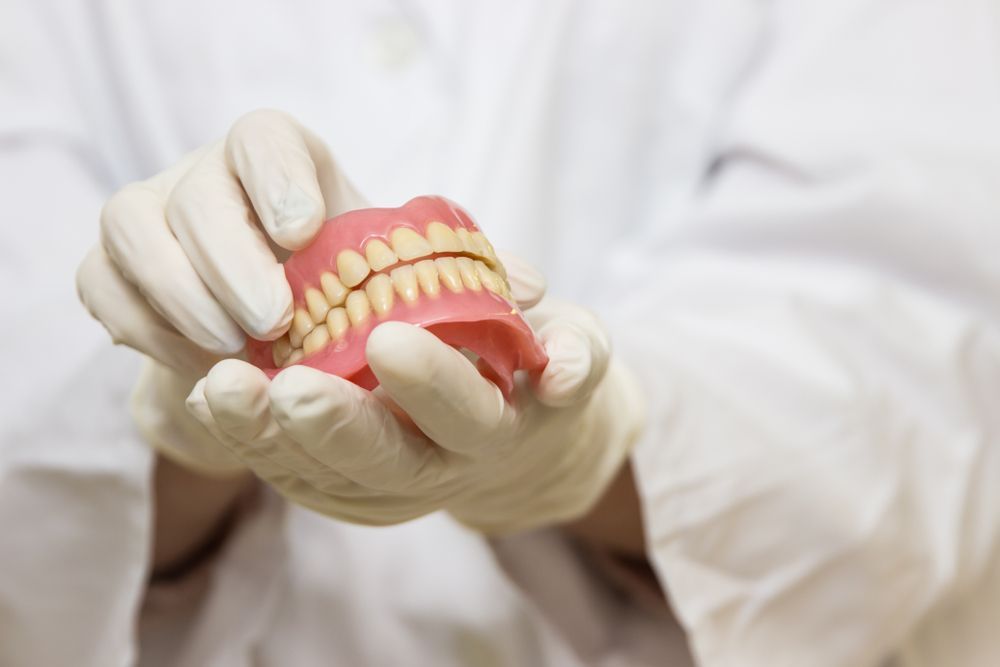
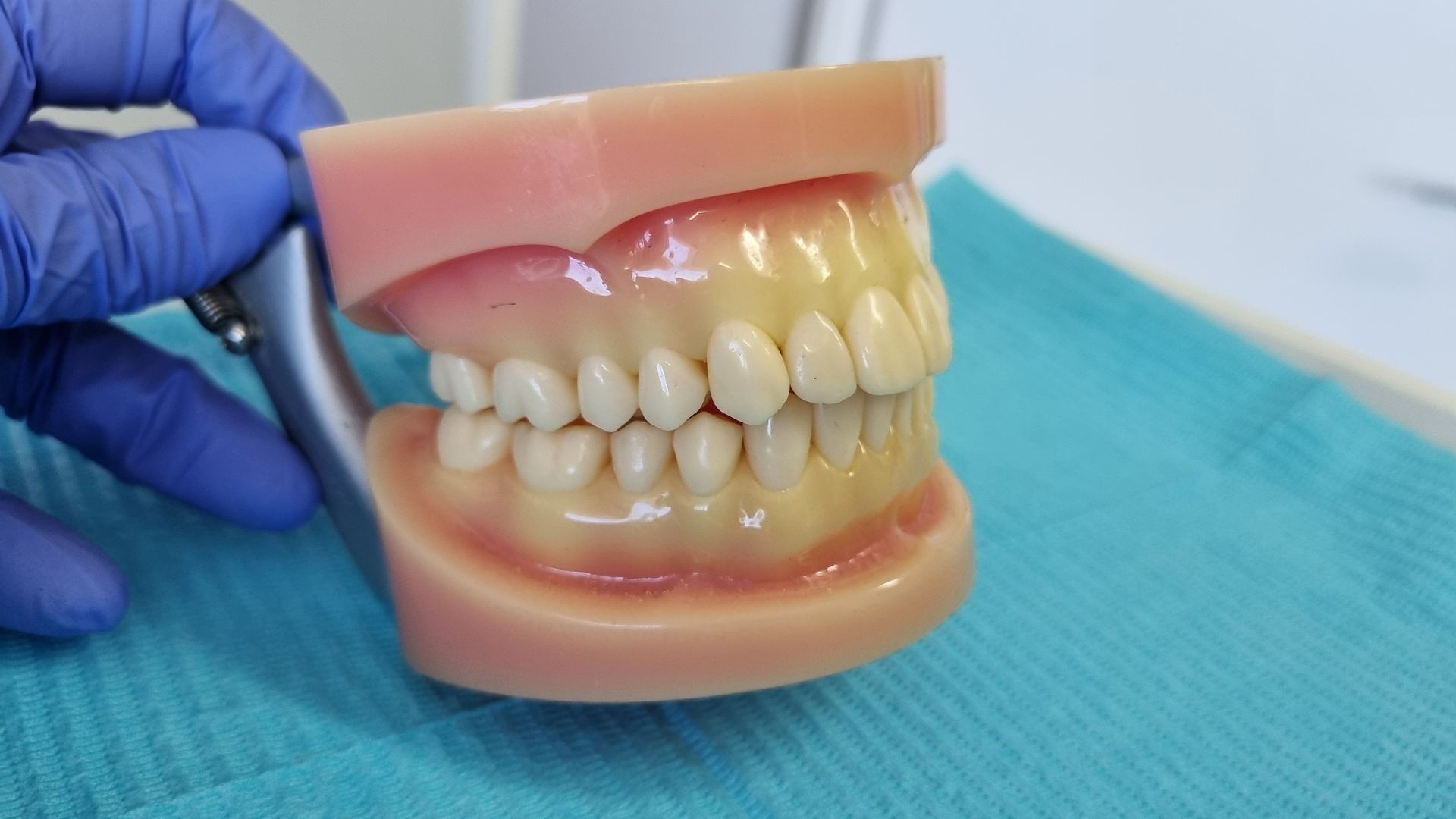
Dentures are removable prosthetic devices — either full (replacing an entire arch of teeth) or partial (filling gaps around remaining natural teeth). They sit on the gum and are held in place by suction, adhesive, or in the case of implant-retained versions, by attachment to implant posts. They are made in a dental laboratory from materials matched to your natural tooth colour and gum shade, and they can be adjusted, relined and repaired over their lifespan.
Dental implants are titanium posts surgically placed into the jawbone by an oral surgeon or specialist. Once integrated with the bone — a process called osseointegration that typically takes three to six months — a crown, bridge or fixed denture is attached to the post. A single implant replaces one tooth. Multiple implants can support a bridge or a full fixed arch of teeth. The result is a prosthetic that functions like a natural tooth and does not need to be removed. The key structural difference is that implants integrate with your body; dentures do not.
Cost: What to Expect From Each Option
Cost is typically the first consideration and the one that most directly affects which option is accessible.
Dentures have a significantly lower upfront cost than implants. A full set of quality conventional dentures represents a fraction of the cost of a full implant-supported arch. Partial dentures are similarly more accessible. The ongoing costs involve periodic relining as the gum and bone change shape over time, and eventual replacement — typically every seven to ten years depending on care and wear.
Dental implants involve a substantially higher upfront investment. Each implant post, the surgical procedure and the prosthetic attached to it all carry separate costs. A full arch replacement using multiple implants is among the most expensive dental treatments available. That said, implants are designed to last significantly longer than conventional dentures — in many cases, decades — which affects the total cost of ownership over a lifetime.
The denture implants cost calculation is worth looking at over a longer timeframe. Dentures replaced twice over twenty years, with relining appointments and adhesive costs factored in, close the gap with implants more than the initial price difference suggests. Private health insurance with major dental cover may contribute to both options, though the rebate typically covers a portion rather than the full cost. DVA patients should confirm their specific entitlements.
Candidacy: Who Is Eligible for Each?
Not everyone is a candidate for dental implants, and this is a genuine clinical consideration rather than just a cost one.
Implant candidacy depends primarily on bone density and volume in the jaw. Implants need sufficient bone to anchor into. Patients who have been without teeth for an extended period often experience bone resorption — the jaw shrinks over time when it no longer has teeth to support. Where bone loss is significant, bone grafting may be needed before implants can be placed, which adds time, complexity and cost. Systemic health factors also affect candidacy. Uncontrolled diabetes, active gum disease, certain medications and smoking can all affect how well implants integrate with the bone. A thorough assessment by a dental professional is necessary to determine eligibility.
Dentures are accessible to almost everyone with missing teeth regardless of bone density, overall health or age. They do not require surgery, and most people can proceed directly from assessment to fitting. For patients who are not implant candidates, or who prefer to avoid surgery, dentures remain the most practical and immediate solution.
Stability and Daily Experience
This is where the practical day-to-day difference between the two options is most felt.
Conventional dentures require some adjustment, particularly in the early weeks. Eating certain foods — particularly hard, sticky or chewy items — can dislodge them. Some patients experience movement during speech initially. Adhesives can help with retention, and relining over time maintains the fit as the gum contour changes. Most patients adapt well and find that their dentures function comfortably with practice.
Implants function like natural teeth. There is no movement, no adhesive required, no need to remove them at night. You eat, speak and smile without any awareness that the teeth are prosthetic. For patients who prioritise the most natural-feeling result and can meet the eligibility requirements, implants provide a stability that conventional dentures cannot match.
Implant-retained dentures sit between the two. The denture remains removable for cleaning but attaches to implant posts that eliminate the movement of a conventional denture. Implant supported dentures of this type offer improved stability without the full cost of a fixed implant bridge. For patients who want that improved stability,
implant-retained dentures combine both worlds effectively. You can also explore
implant-supported denture options for a more permanent solution with greater retention.
Maintenance and Care
Dentures need to be removed and cleaned daily. They should be stored in water or a soaking solution overnight to maintain their shape and prevent drying. Regular check-ups allow the clinic to monitor fit and identify when relining is needed. Repairs — for chips, cracks or a broken tooth — can often be carried out the same day at a practice with an onsite laboratory.
Implants are cleaned in the same way as natural teeth — brushing, flossing and regular professional cleaning. There is no removal involved. The implant post itself does not decay, but the gum tissue around it still needs to be maintained to prevent peri-implantitis, which is an inflammation similar to gum disease that can affect implant stability. Regular dental visits remain essential.
In terms of day-to-day effort, implants require less adjustment to routine. Dentures require more deliberate daily care but are straightforward once the habit is established.
Longevity: How Long Does Each Option Last?
Conventional dentures typically last seven to ten years before replacement is recommended, though with good care some patients extend this further. Relining extends the useful life of a denture by addressing the fit changes that occur as the jaw changes shape over time.
Dental implants are designed for long-term use. The implant post itself, once integrated, is expected to last many decades in healthy patients. The crown or prosthetic attached to it may need replacement eventually, but the underlying structure is intended to be permanent. This longevity is a significant part of the implant value argument. If you are leaning towards the denture path, see
the benefits of investing in quality new dentures before you decide — the quality of the materials and the fit both affect how long a denture will serve you well.
Which Option Is Right for You?
There is no universal answer, because the right choice depends on factors that are specific to each patient.
Dentures may be the better fit if:
- Upfront cost is a primary consideration
- You are not a surgical candidate due to bone loss or health factors
- You want a non-surgical solution that can be ready within weeks
- You are comfortable with a removable prosthetic and the daily care routine
Implants may be the better fit if:
- You want the most natural-feeling and permanent solution
- You have sufficient bone density and are in good health
- You are willing to invest more upfront for a longer-lasting result
- The stability and convenience of a fixed solution matter to your daily life
Implant-retained dentures may be the right middle ground if:
- You want more stability than conventional dentures provide
- You want the option to remove the denture for cleaning
- Full implant surgery is not your preference but some implant support is appealing
- Budget sits between conventional dentures and a full fixed implant solution
The most useful next step is a consultation where your specific bone health, health history, budget and preferences can be assessed together. Whichever option you lean towards, our team providing
dentures Sunshine Coast wide can talk you through both paths clearly — with no pressure and no referral required. At the
Denture Care Group Sunshine Coast, we offer a free initial consultation for patients weighing up their options. Call us today or visit
https://www.thedenturecaregroupsunshinecoast.com.au/ to
book your appointment with our experienced team.