Dentures On The Sunshine Coast: What First-Time Wearers Should Expect

The Denture Care Group Sunshine Coast • April 22, 2026

Losing natural teeth can be an emotional and practical adjustment. For many, dentures offer a way to restore function and appearance, but stepping into this new experience for the first time can bring a mix of curiosity and uncertainty. Understanding what to expect—from the initial fitting to daily care—can make the transition smoother and more comfortable.


For first-time Sunshine Coast denture wearers, preparation and realistic expectations are key. From understanding the fitting process to developing new habits, knowing what lies ahead can help you settle into life with dentures more confidently.

The Denture Fitting Process

Getting your first set of dentures involves more than simply taking a mould of your mouth. The process is precise, aiming to create a comfortable fit that supports both function and appearance.


  • Initial consultation: Your dentist or prosthodontist will examine your oral health, discuss your goals and take impressions of your gums and any remaining teeth.
  • Bite registration: Accurate measurements ensure your dentures align properly with your bite. This step helps with chewing comfort and speech clarity.
  • Try-in stage: Before your final dentures are crafted, a temporary or wax model allows adjustments to shape, fit and appearance.
  • Final fitting: Once your dentures are ready, they are placed in your mouth, and minor adjustments are made to ensure comfort.


A careful fitting process can reduce discomfort and help your dentures feel more natural from the start.

Getting Used to the Feel of Dentures

New dentures will feel different from natural teeth. The sensation of having a foreign object in your mouth can take some time to get used to.


  • Initial awareness: You may notice increased saliva production or a slight change in speech.
  • Gentle practice: Try reading aloud or talking to familiar people to adjust your tongue and lips to the new shape.
  • Consistency: Wearing your dentures for short periods initially, gradually increasing the time, helps your mouth adapt.


Being patient with your adaptation period will make the learning curve smoother.

Eating with New Dentures

Chewing with dentures requires different techniques than with natural teeth. It’s common to experience minor challenges during the first few weeks.


  • Start soft: Begin with foods like cooked vegetables, soft fruits and tender meats.
  • Cut into small pieces: Smaller bites reduce strain on your gums and dentures.
  • Chew evenly: Use both sides of your mouth to distribute pressure.
  • Avoid sticky or hard foods: Caramel, nuts, and hard candy can dislodge or damage dentures.


With time and practice, chewing efficiency improves and you’ll regain confidence eating most foods.

Speaking Clearly with Dentures

Speech can be affected initially as your tongue and lips adjust to the contours of your dentures.


  • Practice common words: Repeat sounds or phrases that feel awkward at first.
  • Read aloud: Reading aloud at home helps you monitor pronunciation and clarity.
  • Patience is key: Mild lisps or hissing sounds are typical and often improve within a few weeks.


Small daily exercises can accelerate adaptation and help your speech return to its natural rhythm.

Common Discomforts and How to Manage Them

It’s normal to experience some soreness or pressure points as your mouth adapts to new dentures.


  • Pressure sores: Minor areas of redness can occur on the gums; adjusting fit with your dentist can relieve discomfort.
  • Gag reflex: Some first-time wearers notice a slight gagging sensation, often resolved with gradual wear.
  • Muscle fatigue: Cheeks, lips and jaw muscles may tire while adjusting to holding dentures in place.


Using denture adhesives as recommended and following your dentist’s guidance can minimise discomfort during the transition.

Cleaning & Maintenance

Proper care keeps your dentures in good condition and helps maintain oral health.


  • Daily cleaning: Remove and brush dentures with a soft-bristle brush and mild denture cleanser.
  • Soaking overnight: Keeps dentures moist and maintains shape.
  • Oral hygiene: Clean your gums, tongue, and any remaining teeth to prevent infection or irritation.
  • Regular check-ups: Dentures may need adjustments over time to accommodate natural changes in your mouth.


Routine maintenance ensures comfort, hygiene and longevity of your dentures.

Adjusting to Lifestyle Changes

Living with dentures may require subtle changes to routines and habits.


  • Eating out: Bite and chew carefully in public until confident with your dentures.
  • Sleeping: Some wearers remove dentures at night, while others leave them in; follow your dentist’s advice.
  • Sports and activity: Dentures should fit securely during most daily activities; adhesives can help during physical activity.


Adapting to these changes gradually helps integrate dentures seamlessly into daily life.

Long-Term Considerations

Even after you’ve adjusted to your dentures, ongoing attention ensures comfort and oral health.


  • Periodic relining or adjustments: Over time, gums and bone may change shape, affecting fit.
  • Monitoring wear: Cracks, chips or loose dentures require prompt attention.
  • Oral health checks: Regular dental visits prevent complications and maintain overall health.


Being proactive with care and maintenance helps you enjoy the full benefits of your Sunshine Coast dentures.

Your Denture Solution Awaits

We at The Denture Care Group understand how important a smooth transition to dentures can be. Our team works with first-time wearers to ensure a comfortable fit, personalised guidance and ongoing support. If you are exploring dentures Sunshine Coast or dentures near me on the Sunshine Coast, contact us today to book a consultation and take the first step towards restoring your smile.
Dentist holding a red apple beside a set of dental teeth models in a clinic setting
By The Denture Care Group Sunshine Coast April 27, 2026
For many denture wearers, the biggest adjustment is not how dentures look or feel at rest, but how they perform during everyday activities like eating.
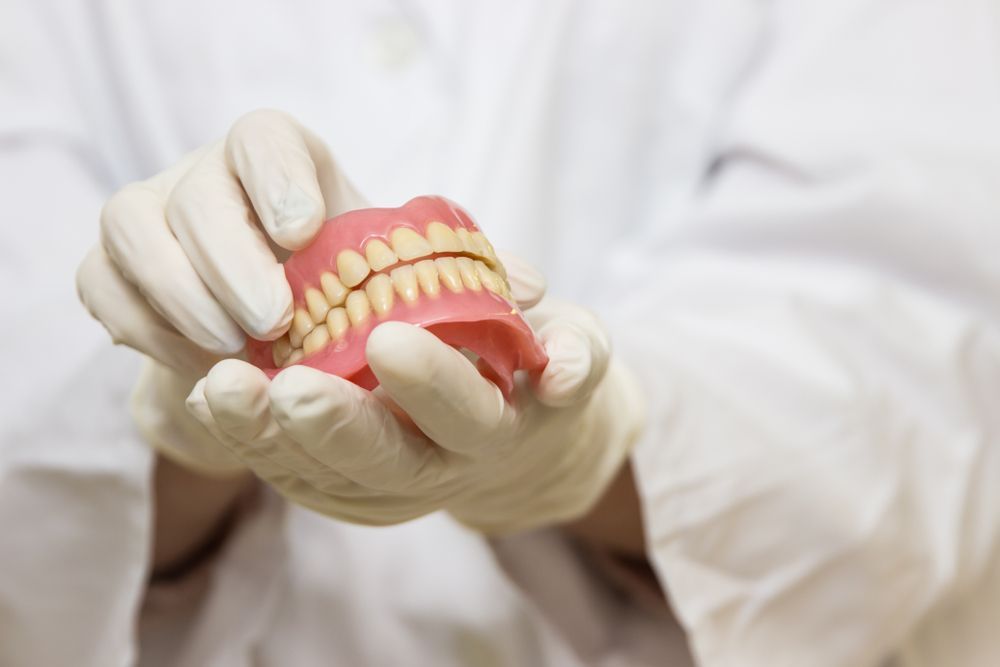
A set of full dentures on a white background.
By The Denture Care Group Sunshine Coast April 21, 2026
Losing teeth often brings a mix of uncertainty and hesitation. You notice everyday habits shifting, like the way you eat or how you smile, and you ...
April 21, 2026
Adjusting to dentures can feel like learning a new way to speak, especially in the early days when familiar words suddenly sound different. For many people exploring denture options on the Sunshine Coast , changes in speech are one of the most noticeable parts of the transition, often raising concerns about clarity and confidence. While this adjustment can be frustrating at first, it is a normal phase that improves with time, practice and the right support. Understanding what is happening inside the mouth, how long adaptation typically takes and when to seek professional help can make the process far more manageable. Why Speech Changes When You First Wear Dentures The initial shift in speech comes down to how dentures interact with the mouth’s natural mechanics: when a new appliance is introduced, it alters the way the tongue, lips and airflow work together to form sounds. This adjustment period often includes several noticeable changes: The tongue needs to relearn placement against the denture surface Airflow patterns shift, affecting sounds like “s” & “f” The presence of the denture adds bulk, changing oral space These factors can make speech feel unfamiliar, even if the dentures fit well. Over time, the brain adapts to these new conditions, allowing speech patterns to stabilise. Many patients find that consistent use and awareness of pronunciation help accelerate this adjustment. The Role Of Tongue Placement In Clear Speech Clear speech relies heavily on precise tongue positioning: dentures introduce a new surface that the tongue must learn to navigate accurately. This relearning process often involves: Adjusting how the tongue contacts the upper denture Refining movements for consonant sounds Building muscle memory for consistent articulation Even minor changes in positioning can affect clarity, particularly for sharper sounds like “t”, “d” and “s”. With practice, the tongue becomes more efficient at working with the denture rather than against it. This is where guidance from denture specialists on the Sunshine Coast can provide reassurance and targeted advice. Muscle Coordination & Adaptation Over Time Speech is not just about the tongue, it is a coordinated effort involving multiple muscle groups: dentures require these muscles to adapt to new conditions. This adaptation typically includes: Improved control of lip & cheek movements Greater stability when forming words Reduced tension during speech As coordination improves, speech begins to feel more natural again. Regular speaking practice, such as reading aloud, can help strengthen these muscle patterns. Patients often notice steady improvement within weeks as the mouth becomes more familiar with the denture’s presence. How Long Does It Take To Speak Normally Again The timeline for speech adjustment varies, but there are general expectations: most people begin to see improvement within a few weeks of consistent wear. Common stages of adaptation include: First few days: noticeable changes & mild difficulty One to two weeks: gradual improvement in clarity One month & beyond: increased confidence & natural speech Consistency plays a key role in this process. Wearing dentures regularly allows the brain and muscles to adapt more efficiently. For those seeking guidance, a local denture clinic on the Sunshine Coast can provide ongoing support throughout this period. Common Speech Challenges & How To Manage Them Certain sounds tend to be more challenging during the adjustment phase: recognising these can help patients focus their practice effectively. Some of the most common challenges include: Lisping or difficulty with “s” sounds Slurring due to unfamiliar tongue placement Clicking noises caused by denture movement Managing these challenges often involves simple strategies such as slowing down speech, practising difficult words and maintaining good posture when speaking. Over time, these issues usually diminish as coordination improves. When Dentures May Need Professional Adjustment While some speech changes are normal, persistent issues may indicate the need for professional input: poorly fitting dentures can interfere with both comfort and clarity. Signs that adjustments may be needed include: Dentures slipping while speaking Ongoing discomfort or sore spots No improvement in speech after several weeks In these cases, seeking denture adjustments from Sunshine Coast services can make a significant difference. Even minor refinements to fit or alignment can improve stability and support clearer speech. Practical Techniques To Improve Speech Clarity There are several effective ways to support clearer speech during the adjustment period: consistent practice and awareness are key. Helpful techniques include: Reading aloud daily to build confidence Practising challenging words repeatedly Speaking slowly & deliberately These approaches encourage muscle memory and help retrain the mouth to work with the denture. Many patients find that combining these techniques with professional advice leads to faster and more noticeable improvements. The Importance Of Ongoing Denture Care & Support Long-term speech clarity depends on maintaining well-fitting dentures: regular care and check-ups help ensure continued comfort and performance. Key aspects of ongoing care include: Routine check-ups with denture professionals Monitoring for changes in fit over time Addressing issues early before they worsen Accessing denture care on the Sunshine Coast helps ensure your dentures stay functional and continue to support clear, confident speech.. As the mouth naturally changes, adjustments may be needed to maintain optimal results. Take The Next Step Towards Clearer Speech Adapting to dentures is a process, but it does not have to be a difficult one. We at The Denture Care Group understand the challenges that come with adjusting to new dentures, particularly when it comes to speech and confidence. If you are experiencing ongoing concerns or simply want guidance on improving clarity, our team is here to help with personalised support tailored to local needs. Contact us today to discuss how we can assist with denture solutions that support comfort, function and clearer communication.
More Posts